Defensible space · hardening · insurer file

Make your home defensible, and keep it insurable in wildfire country.

Staying insured in a wildfire zone comes down to three things most homeowners piece together too late: the defensible-space zones around your house, the hardening details on the house itself, and the documentation your state and your insurer actually want. We turn all three into one clear, send-it-yourself plan.

Start the free assessment 30-day money-back guarantee
3 zones0 · 1 · 2 defensible space
All 50states supported
$99once, no subscription
A homeowner in work gloves clearing dry brush to create defensible space beside a modern home in dry golden hills
insurer-ready
Built on the standards that decide it
CAL FIRE defensible spaceNFPA Firewise USAState FAIR PlansLocal fire authority codes
The part nobody hands you up front

Three layers of protection, three different owners, one file that keeps them straight.

A home that is perfectly cleared can still be non-renewed over its roof or its vents, and the cleanest paperwork means nothing if it never reaches your insurer. Here is how the layers stack, and who owns each one.

Layer 01 / the land

Defensible space

Owned by: your local fire authority

The 0 to 100-foot zones around your home, from the ember-resistant first five feet to the reduced-fuel outer ring. We map the Zone 0/1/2 framework to your state and call out where California adds its own statutory specifics.

Layer 02 / the structure

Home hardening

Owned by: your roof, vents, and deck

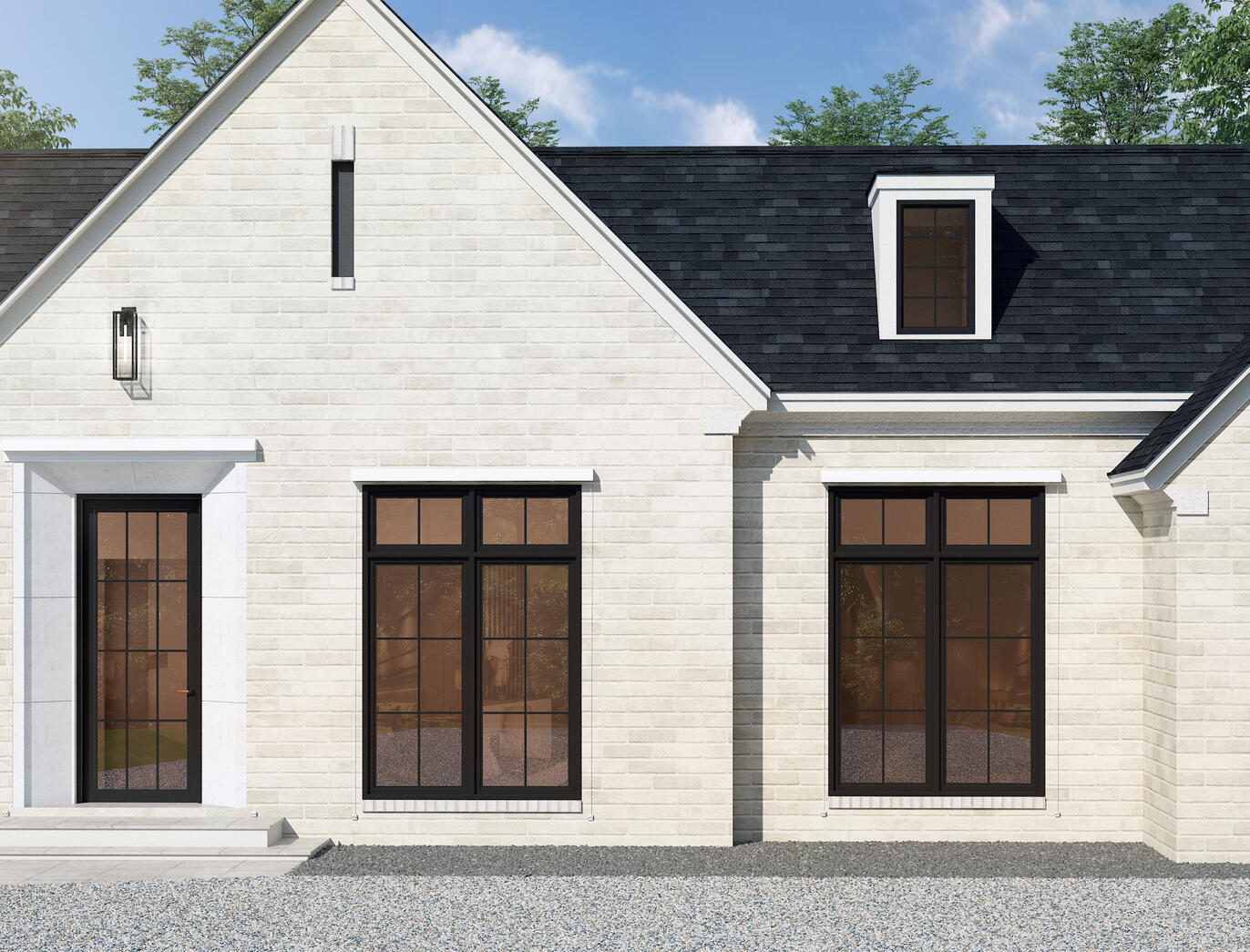
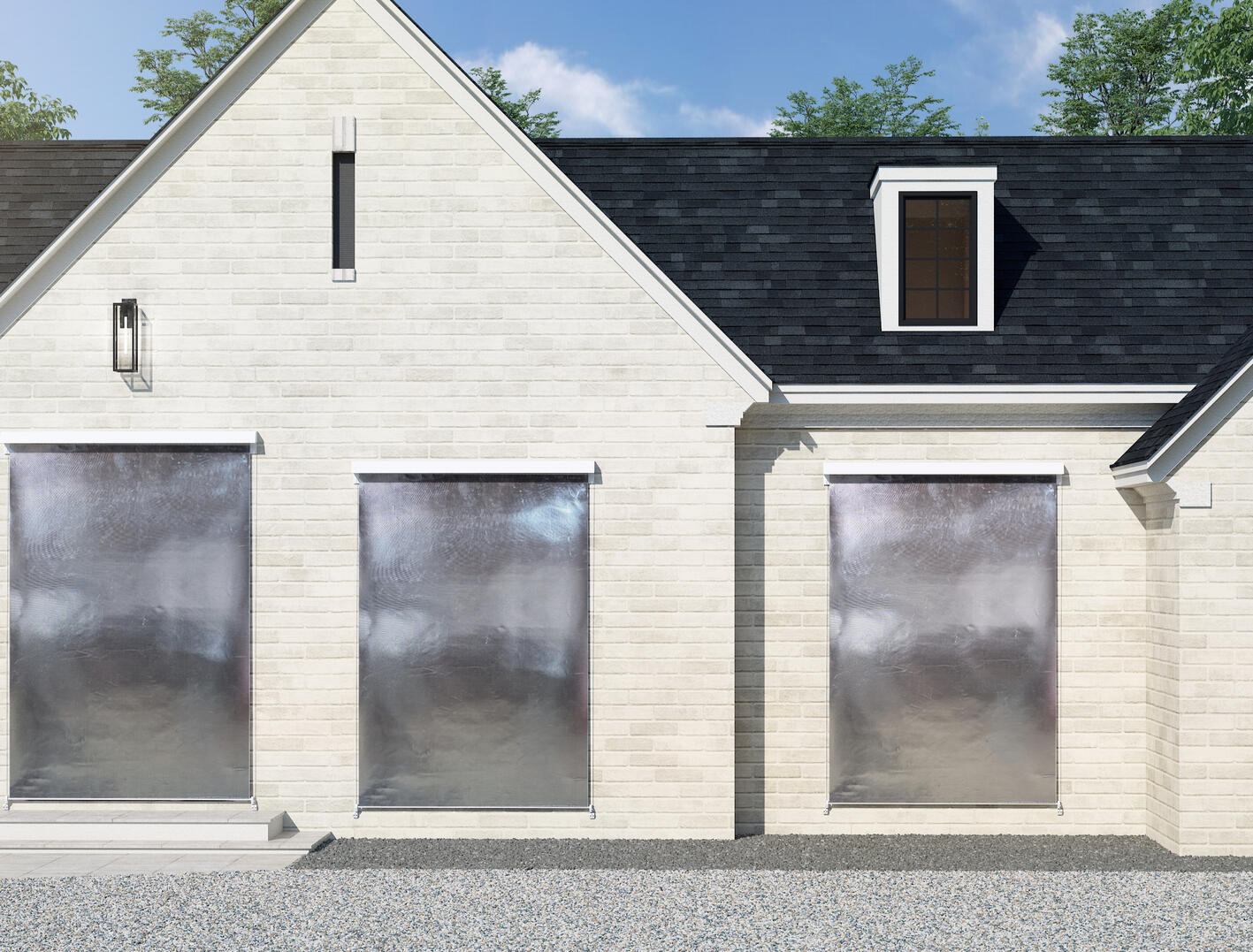
Embers find the weak details first: roof edges, attic and foundation vents, under-deck gaps, and single-pane glass. We rank the commonly assessed items so you fix what moves the needle, not just what is convenient.

Layer 03 / the file

Local & insurer requirements

Owned by: your county and your carrier

Rules shift by fire district, and every carrier weighs them differently. Where a requirement is local, we give you the framework to confirm it, never a number we made up, plus the dated documentation your file needs.

See which layers apply to your address in two minutes.Run the free assessment
The deliverable

One kit, built around your state, your home, and what triggered this.

Answer a short intake about your state, your home's basics, and whether you are facing a non-renewal, an inspection notice, or simply getting ahead of fire season. The kit assembles the plan and the paperwork for exactly that case, in order.

  • Intake axisstate + home + situation
  • Situationsnon-renewal · inspection · proactive
  • Formatwork plan + fillable templates
  • Deliveryinstant, after checkout
Not the right fit? 30 days, full refund, no questions.
Wildfire Insurance Survival Kit$99 once
Your Zone 0/1/2 work planDefensible-space zones personalized to your state, in plain order.
Ranked home-hardening listCommonly assessed items, sorted so you start where it actually counts.
Dated photo-log templatesOrganized by zone and item, ready to attach to your insurer file.
Reconsideration-request letterA fill-in-the-blank template, yours to review and send yourself.
Insurance-options worksheetFAIR Plan facts for your state and an agent-conversation checklist.
Get the kit for $99
A single-family home with a cleared defensible-space perimeter of gravel and well-spaced trimmed shrubs in dry golden hills at golden hour
What defensible looks like

Cleared zones, a hardened structure, and a documented file for every line an assessor checks.

The work plan walks the same criteria CAL FIRE and Firewise use, so an inspection or an underwriter's review finds a file that is already in order.

Why homeowners trust the kit

Built for the people who actually carry the risk.

Bright line

We never present a local clearance distance, a Zone 0 phase-in date, or an insurer rule as fact when it genuinely varies. You get the framework to confirm it, not a number we invented.

Never invents your state's rulesOur one bright line
Sourced

California's specifics are cited to the statute and the CA FAIR Plan. Everywhere else you get the general CAL FIRE and Firewise framework, plus the exact question to confirm at the source.

Sourced to the standard that decidesReal citations, no guesses
Self-help

DefensibleHome is an independent publisher, not an insurer, agent, or public adjuster. You review, fill in, and send everything yourself. We never contact your insurer on your behalf.

Independent, and honest about itYou send everything yourself

Every kit is backed by a 30-day money-back guarantee. DefensibleHome is a new publisher, so we do not show customer reviews yet; the cards above describe how the kit is built, not testimonials.

Who it's for

Every wildfire-zone homeowner, wherever the risk finds them.

Non-renewed

You got the letter, and you want an organized reconsideration file to send.

Inspection notice

A defensible-space or underwriting inspection is coming, with a deadline.

Getting ahead

Proactive owners doing the work before a notice ever arrives.

High-risk ZIPs

Living in a WUI or very-high fire-hazard zone where carriers are pulling back.

Our one bright line
We will never invent your state's rules, or talk to your insurer for you.

Clearance distances, Zone 0 phase-in timing, and FAIR Plan specifics genuinely differ by state and fire district. A site that hands you a confident number it made up is how careful homeowners get burned. Where a fact is local, we hand you the framework instead: the office to call and the exact question to ask.

And we never contact, call, or negotiate with your insurer. DefensibleHome gives you organized documentation and a letter template; you review it, fill in your own details, and send it yourself. No outcome, including reinstatement of coverage, is ever promised.

How a local fact renders in the kit
Question to confirm
The current defensible-space clearance required for your parcel.
Office that decides
Your local fire authority or fire district.
Ask them exactly
“What clearance applies to my address, and is a Zone 0 (0 to 5 ft) rule in effect yet?”
Straight answers

Questions people ask before they start.

What is Zone 0, Zone 1, and Zone 2?
Zone 0 (0 to 5 feet from your home and attachments) is the ember-resistant zone: noncombustible surfaces, no wood mulch or stored fuel. Zone 1 (5 to 30 feet) is the lean, clean, and green zone: well-spaced, well-maintained, low-growing plants. Zone 2 (30 to 100 feet, or to your property line) is the reduced-fuel zone: mowed dry grass and no continuous path of vegetation from the ground into tree canopies. California has added statutory specifics on top of this framework; your kit calls those out separately and tells you exactly what to confirm for your own state.
Why do insurers non-renew homes in wildfire areas?
Insurers use catastrophe models that weigh regional wildfire risk, prior losses in the area, and property-level factors like roof material, vent type, deck material, and vegetation clearance. A non-renewal is usually a portfolio-level or model-driven decision, not a judgment about you personally. We explain the common factors honestly; we do not have access to any specific insurer's underwriting rules.
Does clearing brush guarantee my insurance will be reinstated?
No. Completing defensible-space and hardening work can support a reconsideration request, but no action or combination of actions guarantees reinstatement, a discount, or a specific inspection result. We will never tell you otherwise.
What is the FAIR plan?
A FAIR Plan is a state-backed insurer of last resort for property owners who cannot find coverage in the standard market. California's is the best documented; other states vary, and some do not have one. Your kit states what is verified for your state and flags what to confirm directly when it is not.
Do you talk to my insurance company for me?
No. DefensibleHome never contacts, calls, emails, or negotiates with your insurer on your behalf. We give you a letter template and organized documentation; you review it, fill in your own details, and send it yourself.
How fast can I fix this?
Organizing documentation and drafting your letter can happen in a single afternoon. Physical hardening and defensible-space work commonly takes anywhere from a weekend (for a small property with minor clearance work) to several weeks (for roof, vent, or deck replacement). Exact timelines depend on your property, your budget, and contractor availability.
Is this legal, insurance, or claims advice?
No. Nothing on DefensibleHome is legal, insurance, or claims advice, and we do not handle insurance claims of any kind. Verify requirements with your local fire authority and any coverage questions with your insurer or a licensed insurance professional.

Find your three-layer plan in two minutes.

Start free. See exactly which zones, which hardening items, and which requirements apply to you, then get the full kit when you are ready to send your file.

30-day money-back guarantee · no card needed for the assessment

DefensibleHome is an independent information publisher. We are not a public adjuster, insurance agent, or law firm, and we do not negotiate with insurers on anyone's behalf. This kit helps you organize your own documentation and communications; you prepare and send everything yourself. Nothing here is legal, insurance, or claims advice, and no outcome - including reinstatement of coverage - is promised. Wildfire mitigation rules vary by state, county, and fire district; confirm requirements with your local fire authority.

DefensibleHome
Start Free Assessment