Last updated 2026-07-25
TL;DR
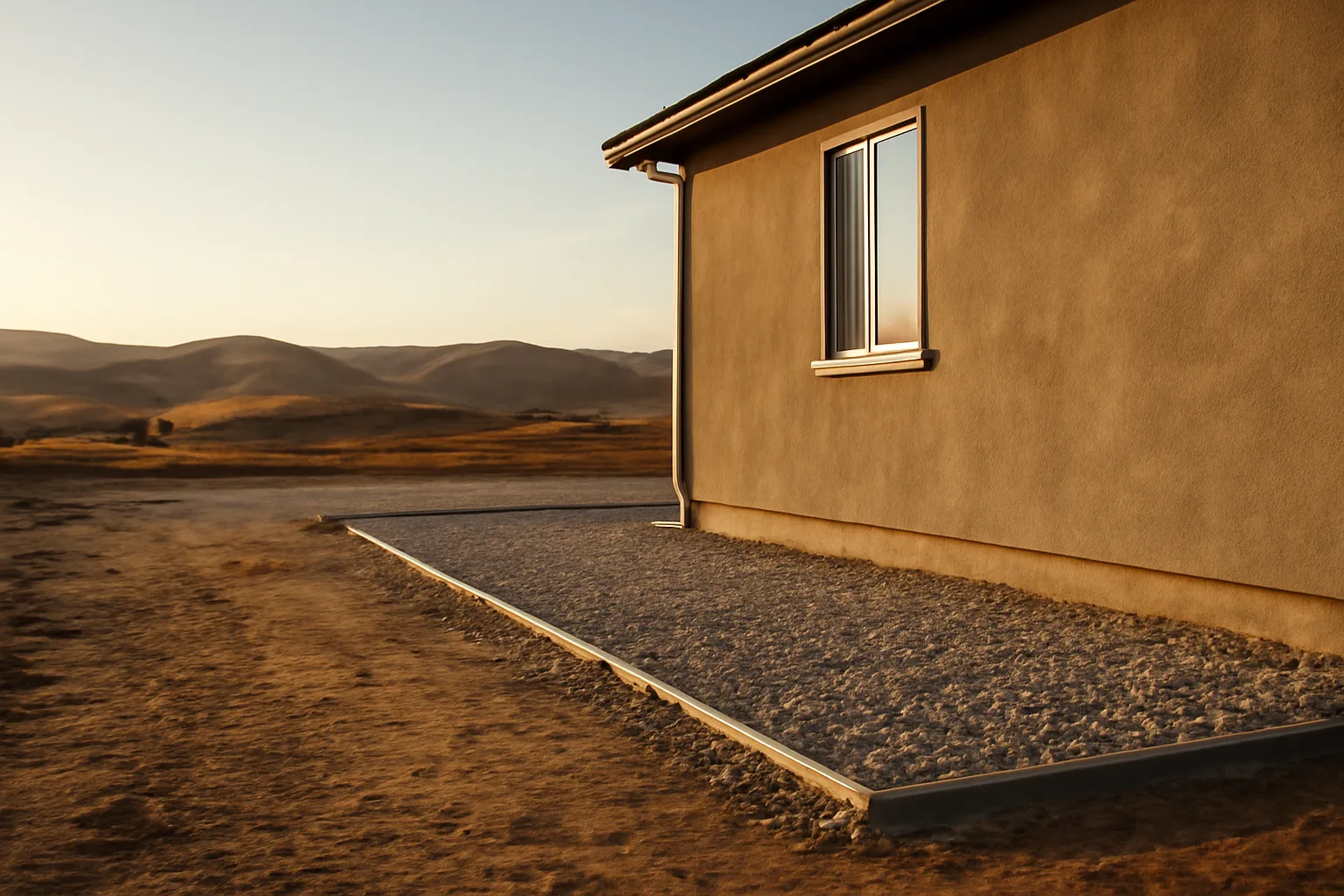
Wildfire prevention for homeowners comes down to three things: clear defensible space in a 100-foot zone, harden the structure itself (roof, vents, siding), and document everything before your insurer or CAL FIRE inspector shows up. California's Zone 0 ember-resistant zone rule (5 feet from structures) is still pending final regulations as of 2026, not yet enforceable statewide.
How do you actually prevent wildfires from destroying a home?
Home loss in a wildfire almost never happens from a wall of flame rolling through. It happens from embers, tiny burning bits of bark and debris that travel a mile or more ahead of the fire front, landing in gutters, on dry mulch, or in a crack under a deck. CAL FIRE's own research on the topic is blunt about this: most home ignitions during wildfire come from embers and small flames, not direct contact with the main fire. That changes what "prevention" actually means for a homeowner. It's not about stopping the fire from reaching your property line. It's about making sure that when embers land on your roof, in your vents, or in the mulch bed next to your foundation, nothing catches. Two things do the heavy lifting: defensible space (clearing flammable material around the structure) and home hardening (making the structure itself resistant to ignition). The two work together and neither one alone is enough. A perfectly cleared yard around a house with a wood shake roof and open eave vents still burns. A hardened house surrounded by dead grass and touching shrubs still burns. CAL FIRE and the state fire marshal both frame it as a paired strategy, and that's the right frame to use when you're deciding where to spend money first.
How to prepare for a wildfire before one is threatening your area
Preparation has a before-fire-season phase and a during-red-flag-warning phase, and mixing them up wastes time you don't have later. Before fire season starts (spring, for most of the West), do the slow work: clear defensible space, harden vulnerable spots on the house, and build your documentation. Ready.gov recommends assembling a go-bag with at least a three-day supply of food and water per person, copies of insurance policies and identification, medications, and a battery-powered radio, and doing this well before any evacuation warning. During red flag conditions or an evacuation warning, the job shifts to a 15-30 minute checklist: close all windows and doors (but leave them unlocked for firefighter access), remove flammable patio furniture and doormats, turn on exterior lights so your house is visible in smoke, move your vehicle to face out of the driveway with keys in it, and shut off gas at the meter if you're told to evacuate. Ready.gov's wildfire action guide lays out this exact sequence. The biggest mistake homeowners make is treating photo documentation as a claims-time task. Walk every room and the exterior with your phone camera on video, narrating what you see, at least once a year and again the moment a red flag warning is issued for your area. If you ever need to file a claim, dated video from before the fire is worth more than anything you can reconstruct after. This is also where a structured survival kit builder helps, not because it changes your risk, but because it forces the documentation step people skip until it's too late.
How to prevent forest fires (and how that's different from protecting your home)
Preventing forest fires and protecting your home from one are related but not the same job, and a lot of homeowner confusion starts there. Forest and wildland fire prevention is mostly about ignition sources. The U.S. Forest Service and CAL FIRE both point to the same leading human causes: unattended campfires, dragging trailer chains that spark on pavement, mowing dry grass with metal blades during hot afternoons, fireworks, and downed power lines. Simple behavioral fixes cut ignition risk a lot: never leave a campfire unattended, drown and stir campfire ash until it's cold to the touch, avoid mowing or using power equipment on Red Flag Warning days, and check that trailer chains aren't dragging on the road [1]. Home protection, on the other hand, assumes a wildfire is already burning somewhere in your region and asks: will embers from that fire ignite my house? That's a defensible space and hardening question, not a "don't start fires" question. Both matter. Only one is fully in your control once a fire starts nearby.
How to avoid forest fires as an individual or community
Individual behavior change is still the single biggest lever on human-caused ignitions, because most wildland fires start from something a person did, not lightning. Roughly 85% of wildland fires in the U.S. are caused by humans, according to the National Interagency Fire Center's historical reporting cited by the U.S. Forest Service [2]. At a household level: don't park or idle a vehicle over dry grass (catalytic converters run over 500°F and start grass fires routinely), avoid outdoor welding or grinding on windy or Red Flag days, check local burn permit rules before any debris burning, and keep chainsaws and mowers away from rock-to-metal contact in dry vegetation. At a community level, the more durable prevention tool is defensible space enforcement and community chipper days, which reduce the fuel load that turns a small ignition into a structure-threatening fire. Many California fire districts run free or subsidized chipping programs seasonally; check with your local fire district, since this varies by jurisdiction and funding year.
When does the California defensible space law go into effect?
California's core defensible space law (Public Resources Code 4291) already requires 100 feet of defensible space clearance around structures in State Responsibility Areas and has been in effect for years, most recently strengthened by legislation in 2020 that extended clearance requirements from 30 to 100 feet where feasible [3]. What's newer, and what causes most of the confusion, is "Zone 0," the ember-resistant zone within 5 feet of a structure. Assembly Bill 3074 (2020) directed the State Board of Forestry and Fire Protection to develop regulations for this zone, but as of 2026 those regulations are still moving through the formal rulemaking process and are not yet a statewide enforceable standard for existing homes. CAL FIRE's Board of Forestry has published draft Zone 0 regulatory language and continues public workshops on it; check the Board of Forestry's active rulemaking page for the current status in your area, because effective dates and enforcement mechanisms differ by proposal draft [4]. This is the honest, uncomfortable answer: there is no single fixed "Zone 0 goes into effect on this date" statewide yet. Homeowners in high fire severity zones should treat the draft Zone 0 guidance (no combustible mulch, no shrubs, no wood fencing directly attached to the house within 5 feet) as a strong preview of what will likely be required, and start implementing it now rather than waiting for a final compliance deadline.
What fire-safe rules for homes take effect in 2026?
There isn't one single nationwide "2026 fire code" homeowners need to track; instead, several state-level pieces are converging around that year. In California, the Zone 0 ember-resistant zone regulation remains in active rulemaking through the Board of Forestry and Fire Protection, with proposed requirements for the 0-5 foot zone around structures in Very High Fire Hazard Severity Zones [4]. Insurers are separately accelerating their own inspection standards ahead of any state mandate, meaning some homeowners are already seeing Zone 0-style requirements show up in insurance inspection letters before the law formally requires them. Oregon's statewide wildfire risk map and defensible space code work, tied to Senate Bill 762 (2021), has also had a rocky rollout with revised maps and defensible space rules being phased in over several years rather than one fixed date, so check the Oregon Department of Forestry's current map and rule status directly rather than relying on an older article's date . The practical move: don't wait for a specific effective date to comply. If your fire district or insurer has already started asking about a 5-foot ember-resistant zone, treat it as effective now for your household, regardless of the statewide legal deadline.
Why won't people follow the defensible space law in California?
This gets asked a lot, and the honest answer is a mix of cost, ambiguity, and enforcement gaps, more than stubbornness. Cost is real. Removing mature, established landscaping that violates 100-foot or Zone 0 rules can run into thousands of dollars for tree removal, replacing wood fencing, or professional brush clearing, especially on sloped or large lots. For lower-income and older homeowners on fixed incomes, that's not a small ask. Ambiguity is also real. PRC 4291 clearance requirements interact with local fire district rules, HOA landscaping requirements, and county tree ordinances, and homeowners sometimes get conflicting guidance from different agencies about what's actually required on their specific lot. CAL FIRE's own defensible space guidance acknowledges that clearance requirements should be based on site-specific conditions like slope and vegetation type, not a rigid one-size-fits-all rule, which is correct fire science but makes self-compliance genuinely confusing for a homeowner without a site visit. Enforcement is uneven. Many fire districts issue defensible space inspection notices but don't have the staffing to do thorough compliance follow-up on every property, so violations persist without consequence until a neighbor complains or an insurer's own inspector flags it. That's a real gap, and it's a big part of why insurance non-renewal letters are increasingly doing the enforcement job that local government inspection can't keep up with.
Is Santa Barbara safe from fire?
No location in California's wildland-urban interface can be called "safe" from fire risk, and Santa Barbara County has direct, repeated history that argues against that framing. The Thomas Fire (2017) burned into Santa Barbara County and was followed by the deadly Montecito debris flow in January 2018 that killed 23 people, a disaster directly tied to the burned, denuded hillsides left by the fire . The 2008 Tea Fire and 1990 Painted Cave Fire also burned into Santa Barbara's foothill neighborhoods. Santa Barbara's foothill and mountain-adjacent neighborhoods (Montecito, Mission Canyon, the Riviera, upper State Street areas) sit directly in wildland-urban interface terrain with steep canyons that funnel wind-driven fire, which is exactly the terrain CAL FIRE flags as highest risk in its Fire Hazard Severity Zone maps . Lower, flatter areas closer to the coast and downtown carry meaningfully lower wildfire risk but aren't zero, especially given how far embers travel in Santa Ana or sundowner wind events specific to that region. If you own property in or near Santa Barbara's foothills, check your specific parcel against CAL FIRE's Fire Hazard Severity Zone viewer rather than relying on the city's general reputation, since risk varies block by block in that terrain .
What are the defensible space zones and what do they actually require?
| Zone 0 (proposed) | 0-5 feet | Ember-resistant; no combustible mulch, no vegetation touching structure, per draft Board of Forestry rules [4] | |
|---|---|---|---|
| Zone 1 | 5-30 feet | Remove dead plants, dead vegetation, and flammable materials; create horizontal and vertical space between plants | |
| Zone 2 | 30-100 feet | Reduce fuel load, cut annual grass to 4 inches or less, maintain greater spacing between shrubs and trees | These distances are measured from the structure itself, not the property line, and PRC 4291 requires clearance up to 100 feet or to the property line, whichever is less [3]. On smaller lots, the 100-foot rule effectively becomes "clear your whole yard responsibly"; on larger rural parcels it becomes a more layered, zone-by-zone project. For a deeper walk-through of what belongs in each zone and common mistakes homeowners make in Zone 1 specifically, see defensible and fire safe landscaping California next to house. |
California's defensible space rule divides the 100 feet around a structure into distinct zones with different requirements, and knowing which zone you're standing in changes what you're supposed to do. | Zone | Distance from structure | Core requirement |
What home-hardening steps matter most, in priority order?
If you can only do a few things this year, prioritize by ember vulnerability, not by what looks worst. 1. Vents. Unscreened or standard-mesh attic and foundation vents are one of the most common ember entry points. Replace with 1/8 inch or smaller corrosion-resistant mesh, or ember-resistant vents rated to the relevant standard. 2. Roof. Class A fire-rated roofing (asphalt shingle, tile, or metal) matters far more than roof color or age; wood shake roofs are a major liability in fire-prone zones. 3. Gutters and roof valleys. Clear pine needles and leaf litter; this is where wind-blown embers pool and smolder. 4. Decks and the 0-5 foot zone. Remove anything combustible touching the house, including wood fencing that runs straight into a wall (replace the last 5 feet with metal or masonry). 5. Windows. Dual-pane windows with tempered glass resist radiant heat cracking better than single-pane. CAL FIRE's home hardening guidance largely mirrors this order, treating vents, roofing, and eaves as the top structural vulnerabilities. For a room-by-room and system-by-system checklist, house fire and fire at a house go deeper on specific ignition points inside the structure itself.
How do you document your defensible space and hardening work for your insurer?
This is the step most homeowners skip, and it's the one that actually matters when a non-renewal letter or claim is on the table. Take dated photos or video of every zone: the 5-foot perimeter, the 30-foot zone, roof and vent conditions, and any hardening upgrades (new vents, roof replacement, deck material). Keep receipts for contractor work, tree removal, and defensible space clearing. If your local fire district does inspections, request a copy of the inspection report or compliance certificate; many districts issue one on request even if they don't mail it automatically. We're a documentation and preparation resource, not a claims or insurance service. We don't negotiate with insurers, file claims on your behalf, or promise coverage, discounts, or reinstatement. What we do help with is organizing the photo, video, and paperwork trail so that if you ever need to send your own documentation to an insurer or adjuster, it's ready instead of scattered across old phone backups. The $99 one-time Survival Kit Builder is built around exactly that gap: a structured way to capture and store defensible space photos, hardening receipts, and property records in one place before you need them, not after. If you're working through fuel reduction contracts on larger acreage, particularly in the Pacific Northwest, wildfire defensible space clearing contracts Washington State DNR covers how those agreements are structured and what to ask a contractor before signing.
What can you personally do to prevent forest fires and wildfires?
Individual behavior remains the biggest single prevention lever available to any one person, because the overwhelming majority of wildland fire starts are human-caused, not lightning [2]. The highest-leverage personal actions: never leave a campfire unattended and always drown, stir, and feel the ash until it's cold; don't tow trailers with chains that drag on pavement; avoid mowing, grinding, or welding on Red Flag Warning days; report downed power lines immediately instead of assuming someone else has; and follow local burn permit and debris-burning rules exactly, including seasonal burn bans. Smokey Bear's long-running message, "Only you can prevent wildfires," has been the U.S. Forest Service's core public message since 1944 for a reason: individual carelessness with fire is still the largest preventable cause category [2]. For a broader look at how that message translates into concrete household actions beyond the classic campfire safety tips, see only you can prevent wildfires.
Frequently asked questions
When does the California defensible space law go into effect?
The core 100-foot defensible space requirement (PRC 4291) is already in effect and has been for years, strengthened in 2020. The newer Zone 0 (0-5 foot ember-resistant zone) rule is still in active rulemaking through the Board of Forestry and Fire Protection as of 2026 and has no single fixed statewide enforcement date yet; check the Board's current rulemaking status for your area.
Why won't people follow the defensible space law in California?
Mostly cost, ambiguity, and enforcement gaps. Clearing mature landscaping or replacing wood fencing can cost thousands of dollars, rules interact confusingly with local HOA and county ordinances, and many fire districts lack staff to enforce compliance consistently, so violations often persist until an insurer's inspector or a neighbor flags them.
How do I prevent wildfires from starting near my property?
Never leave campfires unattended, avoid mowing or using power tools on dry grass during Red Flag Warnings, don't drag trailer chains on pavement, report downed power lines immediately, and follow local burn permit rules. About 85% of wildland fires are human-caused, according to National Interagency Fire Center data cited by the U.S. Forest Service.
How do I prepare for a wildfire if I live in a high-risk zone?
Build a go-bag with three days of food, water, medications, and copies of insurance documents (per Ready.gov), clear defensible space around your home well before fire season, harden vents and roofing, and document your property with dated video. During a Red Flag Warning, close windows, remove patio furniture, and stage your vehicle facing out with keys inside.
How do I prevent forest fires versus protecting my home from one?
Preventing forest fires focuses on stopping ignitions (campfires, equipment sparks, fireworks). Protecting your home assumes a wildfire is already burning nearby and focuses on defensible space and hardening so embers can't ignite the structure. Both matter, but they're different projects with different tools.
How do I avoid forest fires while camping or doing yard work?
Drown, stir, and feel campfire ash until cold before leaving it. Avoid mowing, grinding, or welding during Red Flag Warning days or hot, windy afternoons. Keep vehicles off dry grass, since catalytic converters can exceed 500°F and ignite vegetation on contact.
What fire-safe rules for homes take effect in 2026?
There's no single nationwide 2026 deadline. California's Zone 0 ember-resistant zone regulation remains in active Board of Forestry rulemaking, Oregon's SB 762-tied defensible space rules are being phased in over several years, and many insurers are already requiring Zone 0-style clearance in inspections ahead of any formal state mandate.
Is Santa Barbara safe from fire?
No area of Santa Barbara County is fully safe from wildfire risk. The 2017 Thomas Fire and the deadly 2018 Montecito debris flow that followed it, plus the 2008 Tea Fire and 1990 Painted Cave Fire, show the foothill and canyon neighborhoods carry serious wildland-urban interface risk. Flatter coastal areas are lower risk but not zero.
How can we prevent forest fires as a community?
Community chipper days that reduce fuel loads, consistent defensible space enforcement by local fire districts, public education on campfire and equipment safety, and quick reporting of downed power lines all reduce ignition risk and fire spread at a scale individual homeowners can't achieve alone.
What is Zone 0 and is it required yet in California?
Zone 0 is the proposed 0-5 foot ember-resistant zone immediately around a structure, developed under Assembly Bill 3074. As of 2026 it remains in draft rulemaking through the Board of Forestry and Fire Protection and isn't yet a finalized statewide enforceable standard, though many insurers already ask about it in inspections.
What's the single most important home-hardening upgrade?
Vents. Standard vents with wide mesh are one of the most common ember entry points into attics and crawl spaces. Replacing them with 1/8 inch or smaller ember-resistant mesh is comparatively cheap and addresses one of the top structural vulnerabilities CAL FIRE identifies in home hardening guidance.
How wide does defensible space clearance need to be in California?
Public Resources Code 4291 requires up to 100 feet of defensible space clearance around structures in State Responsibility Areas, or to the property line, whichever is less, divided into Zone 1 (5-30 feet) and Zone 2 (30-100 feet) with different vegetation management requirements in each.
Does defensible space clearing guarantee my house won't burn?
No. Defensible space and home hardening reduce ignition risk significantly but don't guarantee survival, especially in extreme wind-driven fire events. CAL FIRE frames both as risk reduction, not risk elimination, which is why documentation and insurance preparation matter alongside physical mitigation work.
Sources
- USDA Forest Service, Fire Prevention: Leading human causes of wildland fire including unattended campfires, dragging trailer chains, and equipment use on dry vegetation
- California Public Resources Code Section 4291: Defensible space clearance requirement of up to 100 feet around structures in State Responsibility Areas
- California Board of Forestry and Fire Protection, Zone 0 Rulemaking: Status of Zone 0 ember-resistant zone regulation development under Assembly Bill 3074, still in active rulemaking
- CAL FIRE, Fire Hazard Severity Zone Viewer: Fire Hazard Severity Zone maps identify foothill and wildland-urban interface areas of Santa Barbara County as highest risk
- CAL FIRE - Ready for Wildfire: Defensible space zones (Zone 0, Zone 1, and Zone 2) and their specific clearance requirements around a home
- California Office of the State Fire Marshal: Home-hardening steps such as ember-resistant vents, fire-resistant roofing, and enclosed eaves that reduce wildfire home ignition risk
- National Fire Protection Association (NFPA): Community-level wildfire risk reduction programs like Firewise USA that help neighborhoods collectively prevent wildfire damage
- USDA Forest Service / Ad Council - Smokey Bear: Individual actions people can take to prevent human-caused forest fires, such as proper campfire practices
- California Legislative Information: AB 3074 establishing the ember-resistant zone (Zone 0) requirements around homes in California
- Santa Barbara County: Local wildfire risk information and preparedness resources specific to Santa Barbara County