Last updated 2026-07-25
TL;DR
Wildfire mitigation means hardening your home's roof, vents, and the 5 feet around its foundation, then keeping three defensible-space zones clear out to 100 feet. California's new ember-resistant zone rule targets 2026 enforcement. Insurers in CA, CO, OR, and AZ increasingly want photo proof of this work before they'll renew a policy.
What is wildfire mitigation, actually?
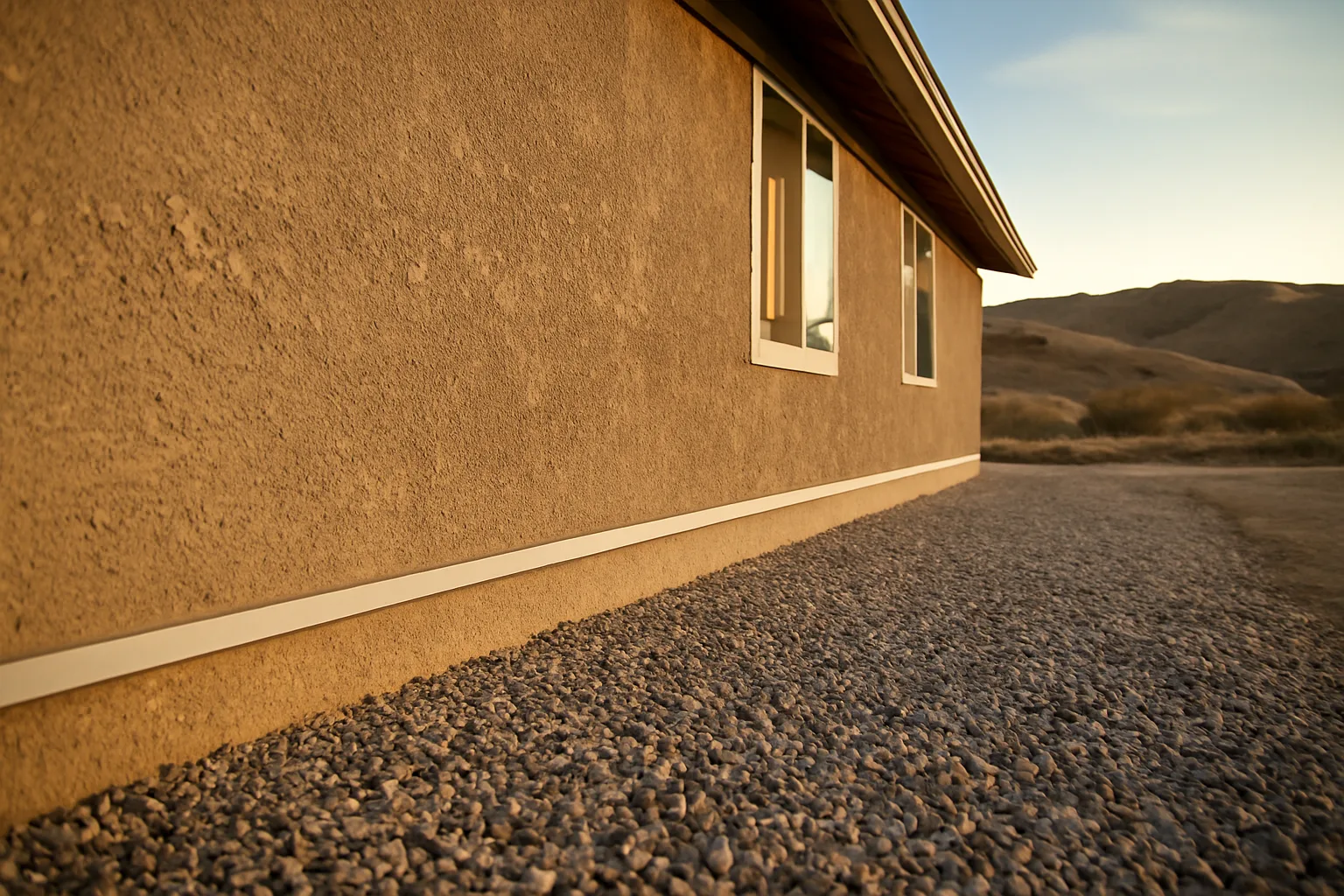
Wildfire mitigation is the combination of home hardening (making the structure itself resistant to embers and heat) and defensible space (managing vegetation and fuel around the structure so fire can't easily reach it). It's not one project. It's an ongoing set of habits plus some one-time construction fixes. CAL FIRE splits the work into two categories that matter for how you plan and budget: things you build once (Class A roofing, ember-resistant vents, enclosed eaves) and things you maintain every year (mowing, pruning, clearing gutters, moving firewood piles). Get the one-time stuff wrong and no amount of yard work saves you. Get the yearly maintenance wrong and a perfectly hardened house still burns because a woodpile against the siding ignites the wall. Most total losses in wildfires trace back to embers, not the flame front itself. Embers can travel a mile or more ahead of a fire and find the weak point: an open vent, a wood deck, a pile of leaves in a gutter. That's why the defensible space rules and the 2026 California building code changes both focus so heavily on the first 5 feet of a structure, the zone researchers call the "ember-resistant zone" or Zone 0.
How to prevent wildfires around your own property
| Open foundation/attic vents | Embers enter and ignite insulation or debris inside | 1/8 inch mesh, ember-resistant vents |
|---|---|---|
| Wood mulch touching siding | Smolders then ignites wall material | Rock, gravel, or bare soil in first 5 ft |
| Combustible fencing attached to house | Fence acts as a wick straight to the structure | Metal gate/section at the house connection |
| Debris in gutters/roof valleys | Embers land and smolder for hours | Gutter guards, seasonal cleaning |
| Firewood stacked against house | Direct fuel load next to structure | Store 30+ ft away, off the ground |
You can't stop a wildfire from starting somewhere else, but you can dramatically cut the odds your specific property ignites once fire arrives. That's really what "prevention" means at the homeowner level: reducing ignition points, not stopping the fire itself. Start with ignition sources you control directly. Roughly 85% of wildfires in the US are human-caused, according to the National Park Service, from things like unattended campfires, dragging trailer chains, debris burning on windy days, and equipment sparks. [1] If you burn yard debris, check local burn permit rules and never burn on red-flag warning days. If you mow dry grass, do it before 10am and keep a shovel and water nearby; mower blades hitting rock are a real ignition source in late summer. On your own lot, prevention overlaps heavily with defensible space: clear dead vegetation, keep firewood 30 feet from structures, don't let leaf litter build up in gutters or under decks. CAL FIRE's Ready for Wildfire program is blunt about it: "The number one thing you can do to protect your home is create and maintain defensible space." Problems 2026 code changes and Zone 0 aim to fix | Ignition pathway | Why it matters | Typical fix |
How to prepare for a wildfire before it starts
Wildfire preparation has two tracks that run in parallel: getting your house physically ready, and getting your household ready to leave fast if you have to. Both matter, and skipping either one is where people get hurt or lose everything. For the house, ready.gov recommends creating defensible space, using fire-resistant building materials, and keeping gutters and roofs clear of debris as core wildfire preparation steps. [2] For the household, ready.gov also recommends assembling a go-bag, knowing at least two evacuation routes out of your neighborhood, and signing up for local emergency alerts before fire season, not during it. A practical prep checklist for the weeks before fire season peaks in your area: - Walk your property and photograph every side of the house, the yard, and any vegetation within 100 feet. This becomes your baseline documentation.
- Clear roof and gutters of needles and leaves.
- Move firewood and propane tanks at least 30 feet from structures.
- Trim tree branches so nothing overhangs the roof and lower limbs are cut 6-10 feet up from the ground.
- Pack a go-bag with medications, documents, chargers, and a change of clothes for each household member.
- Confirm your evacuation routes and a family meeting point outside the immediate area. If you've already gotten a non-renewal letter or inspection notice, preparation also means documentation. Insurers in California, Colorado, Oregon, and Arizona are increasingly asking for dated photos of defensible space compliance before they'll write or renew a policy. A folder of timestamped photos, receipts for tree removal or vent upgrades, and a copy of your local defensible space inspection (if your fire district does them) is the difference between a fast reinstatement conversation and a slow, frustrating one. This is exactly the gap our $99 Wildfire Insurance Survival Kit is built to close: a structured way to document the mitigation work you've already done so you're not scrambling when the inspector or underwriter asks for proof.
How to prevent forest fires when you're not a homeowner
Forest fire prevention for hikers, campers, and visitors comes down to fire behavior basics that don't change from state to state. The US Forest Service and CAL FIRE both point to the same short list of causes: unattended or abandoned campfires, vehicles and equipment sparking on dry vegetation, fireworks, and debris burning. If you camp, drown campfires completely (stir the ashes, add water, check for heat with the back of your hand before leaving), never build a fire during a burn ban, and check current fire restrictions for the specific forest or district you're in since rules vary by ranger district and change week to week during fire season. If you drive off-road or tow equipment through dry grass, know that a dragging tow chain or a hot catalytic converter parked over dry grass are both documented, common ignition sources. Simple awareness prevents a huge share of these fires; that's the whole reason Smokey Bear's "Only You Can Prevent Wildfires" campaign exists and why it's stuck around for 80 years.
How to avoid forest fires on your property (defensible space zones explained)
Avoiding forest fire damage to your specific property comes down to managing three concentric zones around your house, a system CAL FIRE codifies under California Public Resources Code Section 4291. [3] Zone 0 (0-5 feet from structure): the ember-resistant zone. Nothing combustible here. That means no wood mulch, no dry vegetation, no stored firewood, no combustible fencing touching the house. Zone 1 (5-30 feet): lean, clean, and green. Remove dead plants and debris, space trees so canopies don't touch, keep grass mowed to 4 inches or less. Zone 2 (30-100 feet): reduced fuel. Cut annual grasses to 4 inches, create horizontal and vertical spacing between shrubs and trees, remove fallen leaves and needles regularly. CAL FIRE's own guidance states it plainly: "Defensible space is the buffer you create between a building on your property and the grass, trees, shrubs, or any wildland area that surrounds it." For landscaping specifics by plant type and placement, see our fire safe landscaping guide for California. For the full zone-by-zone breakdown with distances and plant lists, check our defensible space clearing guide for contractor-based work in Washington State, or the general defensible space overview if you're outside CA.
When does the California defensible space law go into effect?
California's core defensible space requirement, PRC 4291, has been law since it was substantially amended in 2005, requiring 100 feet of defensible space clearance around structures in State Responsibility Areas and certain Local Responsibility Areas classified as Very High Fire Hazard Severity Zones. [3] That part is already active and enforced today, not a future date. What's newer, and what people usually mean when they ask this question, is the Zone 0 ember-resistant zone rule. The California Board of Forestry and Fire Protection has been developing regulations for a mandatory 5-foot ember-resistant zone around structures in Very High Fire Hazard Severity Zones, following legislative direction from Assembly Bill 3074 (2020). [4] As of the most recent Board of Forestry rulemaking updates, this Zone 0 regulation has been in active development with an anticipated effective date pushed to 2026, though the exact enforcement start has moved before and homeowners should check the Board of Forestry's current rulemaking page for the latest status rather than relying on any single date. [4] The honest answer: the 100-foot defensible space law is already in effect and has been for two decades. The 5-foot Zone 0 ember-resistant rule is the piece still working through rulemaking, with 2026 as the most recently cited target, but confirm the current status directly with the Board of Forestry before you assume it's locked in.
What fire-safe rules for homes take effect in 2026?
The headline 2026 change is California's Zone 0 ember-resistant zone requirement, which would mandate that homeowners in Very High Fire Hazard Severity Zones keep the 5 feet immediately surrounding their home free of combustible materials: no wood mulch, no combustible fencing attached to the structure, no stored items against exterior walls. This isn't just a California conversation. Colorado's legislature passed HB 2024-1006, which directs the state to develop a wildfire-resilient building code framework that local governments can adopt, with implementation guidance rolling out over 2025 and 2026. [5] Oregon has its own wildfire hazard map and defensible space code work under Senate Bill 762 (2021), administered jointly by the Oregon Department of Forestry and Oregon State Fire Marshal, with local defensible space standards continuing to phase in by hazard zone. [6] Because these rules genuinely vary by fire district, county, and hazard zone classification, don't assume your property falls under a rule just because you read about it in the news. Check your specific fire district's requirements: [_________ fire district name_________], effective date [_________], enforcement mechanism (inspection, self-certification, insurer requirement) [_________]. Your county's fire marshal office or CAL FIRE unit (in California) can confirm exactly which zone classification applies to your parcel.
Why won't people follow the defensible space law in California?
Noncompliance isn't usually about people not caring. CAL FIRE and independent research point to a handful of specific, recurring reasons homeowners fall short of PRC 4291 requirements, and understanding them helps explain why enforcement has been uneven. Cost is the biggest one. Removing large trees, thinning dense brush on a hillside lot, or replacing a wood fence with a metal gate section can run from a few hundred dollars in DIY labor to several thousand dollars for contractor tree work, especially on steep or hard-to-access lots. Low-income and elderly homeowners, and anyone on a fixed income, often can't absorb that cost even when they understand the risk. Physical capacity is another real barrier. Clearing brush and cutting trees is hard, sometimes dangerous physical labor. Elderly homeowners or people with disabilities frequently can't do the work themselves and can't afford to hire it out. Confusion about the rules themselves is common too. The three-zone system, the specific 4-inch grass height requirement, canopy spacing rules, and how local fire district amendments interact with state law create genuine uncertainty about what's actually required on a specific lot. Homeowners associations sometimes have separate landscaping rules that conflict with defensible space requirements, like HOA covenants requiring certain hedges or trees that violate Zone 1 spacing rules; this conflict has been documented enough that California passed legislation (Civil Code Section 4737) specifically to prevent HOAs from enforcing landscaping rules that conflict with defensible space law. [7] Finally, enforcement itself has historically been inconsistent. Inspections in some counties happen every year; in others, they're rare, complaint-driven, or nonexistent due to staffing. When there's no real chance of a citation, deferred maintenance wins.
How to prepare for forest fires as a household, more than a house
Household-level forest fire preparation means having a plan that doesn't depend on you being calm and clear-headed at 2am with smoke outside. Build the plan now, while you have time to think. Ready.gov's core household wildfire plan includes: signing up for community alert systems, identifying two ways out of your neighborhood in case one road is blocked, designating a meeting spot outside the immediate area, and keeping a go-bag ready with medications, copies of insurance documents, chargers, and a few days of clothes. [2] Add a documentation step most checklists skip: photograph or video your entire home's interior and exterior, including receipts for major appliances and renovations, before fire season starts. If you ever need to file an insurance claim after a fire, having dated proof of your home's condition and contents beforehand makes the process dramatically faster and reduces disputes over what you owned and its condition. Store these photos somewhere that isn't just on a phone that could get lost or destroyed: cloud storage, an email to yourself, or a printed copy in your go-bag folder all work. Practice the evacuation with your household at least once a year, especially if you have kids, pets, or family members who need extra time or help moving.
Is Santa Barbara safe from fire?
No California coastal city, including Santa Barbara, is fully "safe" from wildfire, and Santa Barbara County specifically has a documented history that argues against complacency. The Thomas Fire in December 2017 burned over 281,000 acres across Ventura and Santa Barbara counties and was, at the time, the largest wildfire in modern California history. [8] The subsequent debris flow in Montecito in January 2018, worsened by the burned hillsides above the community, killed 23 people, one of the deadliest debris flow disasters in California history. [9] Parts of Santa Barbara County, particularly foothill and canyon communities like Montecito, Mission Canyon, and the areas along the Santa Ynez foothills, sit directly in Very High Fire Hazard Severity Zones as mapped by CAL FIRE. [10] Coastal proximity does not exempt a property from wildfire risk when it backs up to chaparral-covered hillsides, which is a common lot configuration throughout the county. If you own property in or near Santa Barbara's foothill zones, check your parcel's specific hazard classification on CAL FIRE's Fire Hazard Severity Zone viewer rather than assuming coastal location provides protection it doesn't.
How can we prevent forest fires at a community level?
Individual defensible space work matters, but wildfire behavior in wind-driven events routinely jumps property lines, which is why community-level prevention has become its own focus for fire agencies. A single unmitigated lot in a neighborhood can undermine everyone else's hardening work if embers or radiant heat travel from that property to adjacent homes. The Firewise USA program, run by the National Fire Protection Association in partnership with the US Forest Service and state forestry agencies, organizes neighborhoods to do coordinated fuel reduction, shared education, and joint defensible space work rather than leaving it to individual homeowners acting alone. Communities that maintain active Firewise recognition sometimes see insurance rate benefits, though this varies significantly by insurer and state; check directly with your carrier rather than assuming a discount applies. At the policy level, community wildfire protection plans (CWPPs), required for communities seeking certain federal fuel-reduction grant funding under the Healthy Forests Restoration Act, map out shared risk areas and prioritize fuel breaks, evacuation route clearing, and community chipper days that individual homeowners can't fund or organize alone. If your neighborhood doesn't have one, your county fire safe council or local CAL FIRE unit can tell you how to start the process.
How much does wildfire mitigation actually cost, and what's worth paying for?
Costs vary enormously by lot size, vegetation density, and whether you DIY or hire contractors, so treat these as rough ranges rather than quotes. DIY defensible space maintenance (mowing, pruning, gutter cleaning, moving firewood) costs mostly your time and maybe $100-300 a year in tools and disposal fees for a typical suburban lot. This is the highest-value work per dollar spent because it's often free and it's what actually gets inspected. Professional brush clearing and tree thinning on a half-acre to acre lot with dense chaparral or forest can run $1,500 to $8,000+ depending on terrain, access, and whether trees need to be felled and hauled versus just limbed up. Steep or fire-prone hillside lots cost more due to access difficulty. Home hardening items have a wide range too: ember-resistant vent retrofits run roughly $30-100 per vent installed, Class A roof upgrades during a full re-roof can add several thousand dollars over a standard roof, and metal gutter guards run $5-15 per linear foot installed. What's worth paying for first, in order: vent screening (cheap, high impact), gutter and roof debris removal (free if DIY), Zone 0 clearance within 5 feet of the house (often just labor), and then working outward through Zones 1 and 2 as budget allows. Full roof replacement is expensive and usually only makes sense to prioritize immediately if your current roof is wood shake or otherwise non-Class A rated, which some insurers now flag directly as a non-renewal trigger.
How do you document mitigation work for your insurer?
Insurers in wildfire-prone states increasingly want proof, more than a claim that you did the work. California's FAIR Plan and several admitted carriers have started referencing defensible space compliance and home hardening documentation as part of underwriting decisions, particularly after a non-renewal notice. A useful documentation packet includes dated, wide-angle photos of all four sides of the house showing the 5-foot Zone 0 area, photos of vents and roof material close enough to identify the type, receipts or invoices for any brush clearing, tree removal, or vent/roof upgrades, and a copy of any local fire district inspection report if one exists. We're a documentation resource, not a claims or insurance service: we don't negotiate with insurers, file claims on your behalf, or promise any discount, reinstatement, or coverage outcome. What we do is give homeowners facing non-renewal a structured way to assemble this proof themselves. The $99 Wildfire Insurance Survival Kit walks you through exactly what to photograph and how to organize it into something an underwriter can actually use, so the burden isn't on you to guess what they want to see.
Frequently asked questions
When does the California defensible space law go into effect?
The core 100-foot defensible space requirement under PRC 4291 has been law since 2005 and is already enforced. The newer 5-foot Zone 0 ember-resistant zone rule, developed under AB 3074, has an anticipated 2026 effective date per the Board of Forestry, though the exact date has shifted before; check the Board's current rulemaking status directly.
Why won't some Californians follow the defensible space law?
Cost of contractor brush clearing, physical inability to do the labor themselves (especially elderly or disabled homeowners), confusion over the three-zone requirements, conflicting HOA landscaping rules, and inconsistent local enforcement all contribute. It's rarely that people don't understand the risk; it's usually money, capacity, or unclear rules.
How do I prevent wildfires from starting on my own property?
Keep dead vegetation cleared, store firewood 30+ feet from structures, avoid mowing dry grass in the heat of day, never burn debris on red-flag warning days, and maintain your Zone 0 (5-foot) ember-resistant zone free of mulch and combustibles touching the house.
What's the single most important wildfire preparation step for my house?
CAL FIRE says creating and maintaining defensible space is the number one thing homeowners can do. Within that, the 5-foot Zone 0 area right against your house matters most because it stops embers, the leading cause of home ignition, from finding fuel next to your walls.
How do I prepare a household, more than a house, for wildfire?
Sign up for local emergency alerts, identify two evacuation routes out of your neighborhood, pick a meeting spot outside the fire area, and pack a go-bag with medications, documents, and chargers. Ready.gov recommends practicing this plan with your household before fire season, not during it.
Is Santa Barbara, California safe from wildfire?
No. Santa Barbara County has Very High Fire Hazard Severity Zones in foothill communities like Montecito, and the 2017 Thomas Fire burned over 281,000 acres there followed by a deadly 2018 debris flow that killed 23 people. Coastal location doesn't exempt hillside-adjacent properties from real risk.
What fire-safe home rules take effect in 2026?
California's anticipated Zone 0 ember-resistant zone rule is the main one, requiring the 5 feet around a structure to be free of combustible materials in Very High Fire Hazard Severity Zones. Colorado and Oregon are also rolling out separate wildfire building code and defensible space frameworks over 2025-2026; check your specific state fire marshal for status.
How can communities, more than individual homeowners, prevent forest fires?
Programs like Firewise USA, run by the National Fire Protection Association, organize neighborhood-wide fuel reduction and shared defensible space work, since one unmitigated lot can undermine a whole street's hardening efforts. Community wildfire protection plans also help prioritize shared fuel breaks and evacuation route clearing.
How much does defensible space clearing typically cost?
DIY maintenance (mowing, pruning) mostly costs your time plus roughly $100-300 a year in tools and disposal. Professional brush clearing or tree thinning on a half-acre to acre lot can run $1,500 to $8,000+, depending heavily on terrain, vegetation density, and access difficulty.
Do defensible space rules apply the same way everywhere?
No. Requirements vary significantly by state, county, and local fire district, and even within California by whether a parcel sits in a State Responsibility Area or Local Responsibility Area and its specific hazard severity zone classification. Always confirm current rules with your local fire district or county fire marshal.
What documentation do insurers want to see for wildfire mitigation?
Dated photos of all sides of your home showing the 5-foot ember-resistant zone, close-up photos of vents and roofing material, receipts for brush clearing or tree removal, and any local fire district inspection report. Insurers increasingly want proof of work, more than a description of it.
What's the difference between defensible space and home hardening?
Defensible space is managing vegetation and fuel around your property in zones out to 100 feet. Home hardening is upgrading the structure itself, like ember-resistant vents, Class A roofing, and enclosed eaves, so embers that do arrive can't ignite the building. You need both.
Sources
- CAL FIRE, Ready for Wildfire: Defensible space is the number one thing homeowners can do to protect their home
- California Legislative Information, Public Resources Code Section 4291: 100 feet of defensible space clearance required around structures in State Responsibility Areas
- California Board of Forestry and Fire Protection, Zone 0 Rulemaking: Zone 0 ember-resistant zone regulation development and anticipated 2026 effective date
- Colorado General Assembly, HB24-1006: Colorado wildfire-resilient building code framework directive
- Oregon Legislature, Senate Bill 762 (2021): Oregon wildfire hazard mapping and defensible space code development
- California Legislative Information, Civil Code Section 4737: HOAs cannot enforce landscaping rules that conflict with defensible space law
- CAL FIRE, Thomas Fire Incident Archive: Thomas Fire burned over 281,000 acres across Ventura and Santa Barbara counties in December 2017
- CAL FIRE, Fire Hazard Severity Zone Viewer: Fire Hazard Severity Zone maps identify Very High risk zones in Santa Barbara County foothill communities
- National Fire Protection Association, Firewise USA: Firewise USA organizes neighborhood-level coordinated fuel reduction and wildfire education
- US Forest Service, Healthy Forests Restoration Act Community Wildfire Protection Plans: Community wildfire protection plans required for certain federal fuel-reduction grant funding